
Business Simulation for High School Students
What is a classroom business simulation?
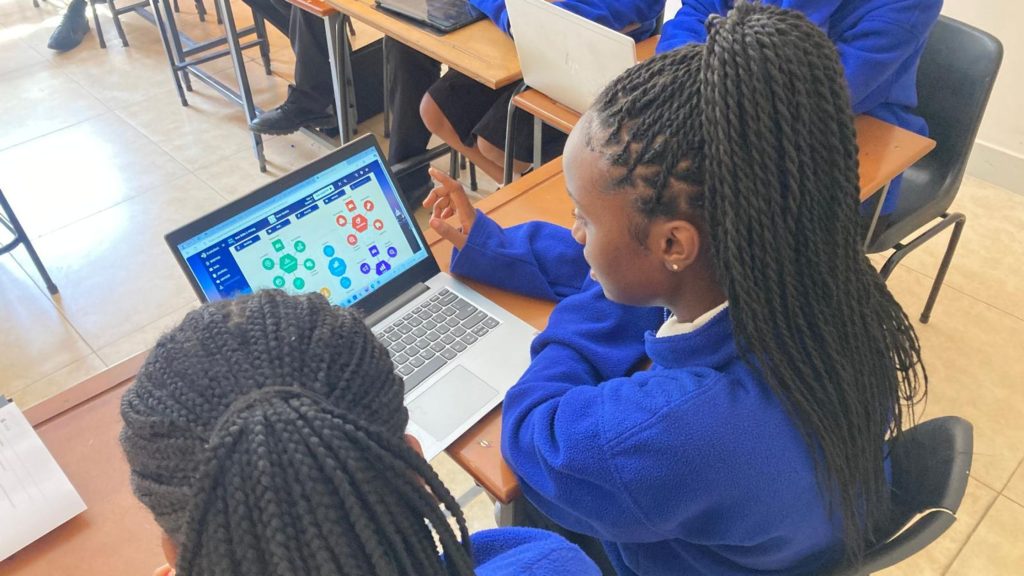
A classroom business simulation is an interactive digital learning tool that allows school students to experience running a business in a realistic, risk-free environment.
Instead of learning theory alone, students take on real-world roles in a virtual business. Students make decisions such as pricing products, managing cash flow, and planning marketing strategies – then immediately see the results of their choices.
This hands-on approach is used to bring business theory to life in school subjects like:
- Business Studies
- Economics
- Enterprise Education
Using business simulations in a school classroom is proven to increase student engagement and learner outcomes. Not only improving business knowledge, but by improving teamwork, communication, and critical thinking skills, as well as learner confidence.
Understanding business simulations in school classrooms
A classroom business simulation transforms traditional teaching into an active learning experience.
Students don’t just study business concepts – they apply them. By simulating real market conditions, learners gain a deeper understanding of how businesses operate and how decisions impact outcomes.
This helps bridge the gap between theory and practice, making learning more meaningful and memorable.


How classroom business simulations support learning
Classroom business simulations shift students from passive listeners to active participants. They help learners:
- Apply theoretical knowledge in realistic, risk-free scenarios
- Understand cause-and-effect in business decision-making
- Learn through experimentation, feedback, and reflection
By turning complex concepts into interactive experiences, simulations improve both engagement and comprehension.
Types of business simulations for schools
SimVenture offers a range of classroom business simulation experiences tailored to different teaching and learning goals:
• Validate – Focused on generating, testing, and refining business ideas
• Evolution – Designed for running and growing a virtual business over time
• Classic – Structured simulation activities ideal for classroom-based learning where limited internet access is present
Each format supports different stages of learning, from idea creation to business growth.


Supporting independent learning with Evolution
Balancing student engagement with teacher workload can be challenging in any classroom.
The Evolution classroom business simulation supports independent learning by enabling students to:
- Progress through the simulation at their own pace
- Understand how the platform works with minimal instruction
- Build confidence through self-directed decision-making
This allows teachers to focus on guidance and facilitation rather than constant instruction.
Supporting independent learning with Validate
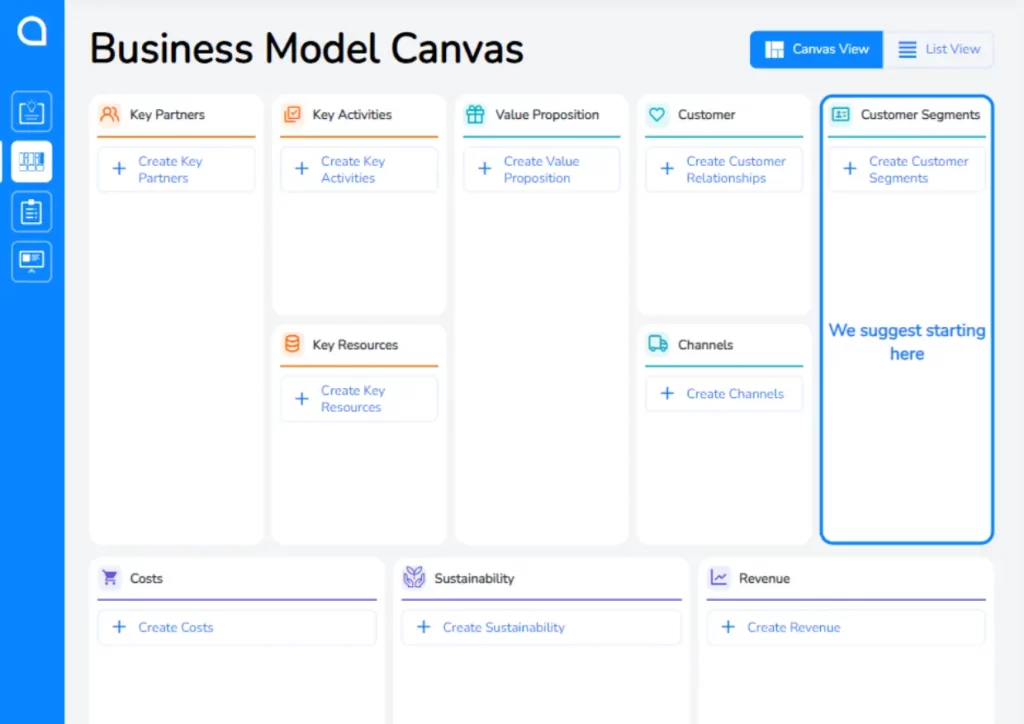
The Validate classroom business simulation is designed to guide students through the process of developing and testing business ideas independently.
It helps learners:
• Progress step-by-step through idea validation
• Understand how to test and refine business concepts
• Build confidence through structured, guided exploration
Validate makes entrepreneurship accessible, while still encouraging critical thinking and independence.
Why schools use classroom business simulations
Schools increasingly use classroom business simulations to enhance learning outcomes and better prepare students for the future.
Key benefits include:
- Increased student engagement and participation
- Improved understanding of core business concepts
- Development of employability and real-world skills
By combining theory with practice, simulations create a more dynamic and impactful learning experience.